
About me – the whole story!
Like many of us sky freaks, I got interested in astronomy at a very young age after receiving a very rudimentary little telescope for Christmas that I didn’t know how to use (it’s even pointed upside down in this photo!) I was 11, this was in 1965.
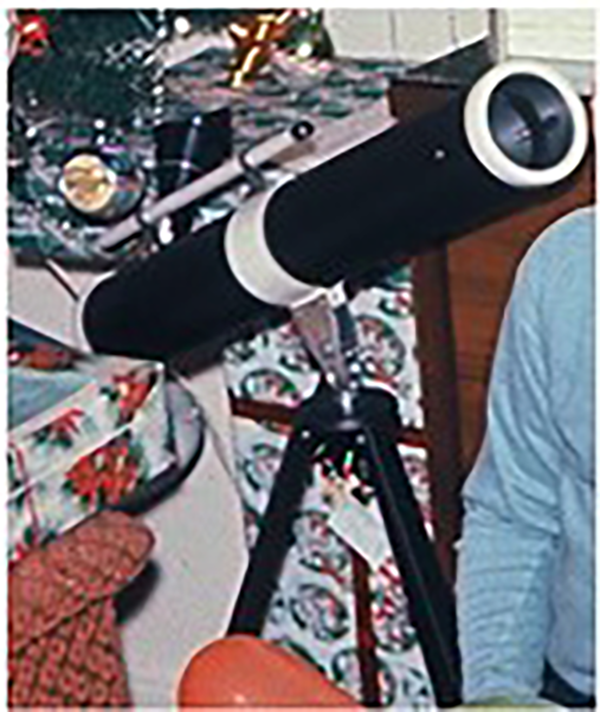
The telescope picked up dust until, a few months later, I woke up in the middle of the night and saw a star so bright it didn’t look “normal” to me.
I took out the telescope and eventually managed to point the star in question to discover that it was a crescent. I didn’t even know that we had to use the focuser to make the image clearer; it was therefore very coarse. There was no internet back then. I discovered after digging through my father’s encyclopedias that it was the planet Venus. That is when I became addicted!
In 1968, at age 14, my father then bought me an excellent quality 60mm F/15 scope from Harrison in Montreal, mounted on a good quality equatorial mount. I immediately began to jot down my observations in a notebook.
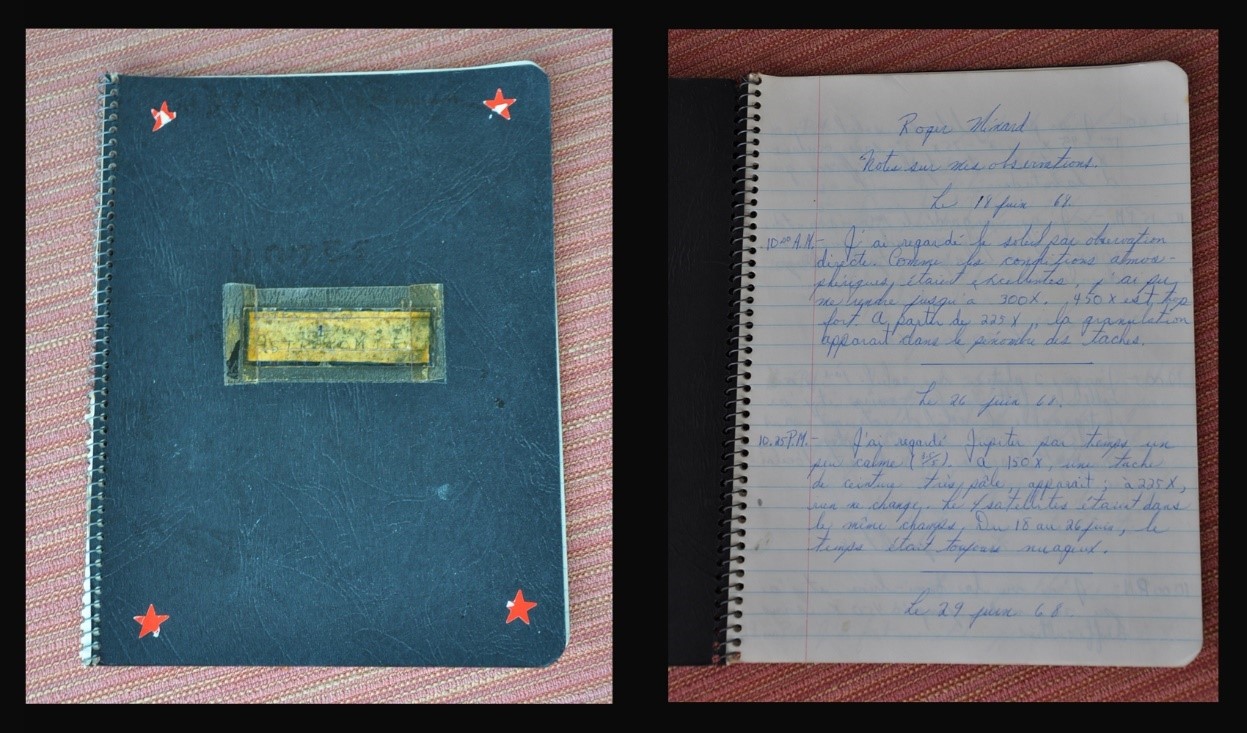
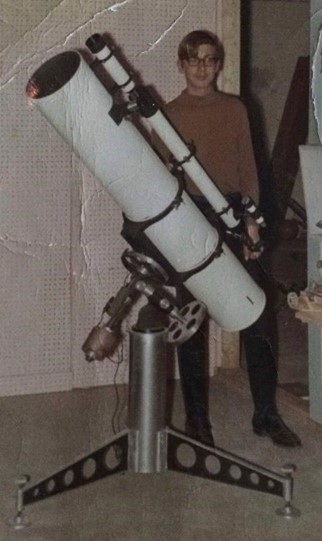
I then joined the Société d’Astronomie de Montreal and, at age 15, in 1969, I polished my first telescope mirror, an 8 ” F/6, and assembled it with the parts available at the club store and machined by Mr. Adélard Rousseau, one of the members. This mirror was phenomenal and allowed me to make detailed observations while I lived on the south shore of Montreal where the sky was still relatively dark at the time. I then set up my telescope permanently on a concrete pillar with a wood and fiberglass shelter that rolled up to expose the telescope.
In 1970, I had the honor of being invited to a special TV show hosted by Henri Bergeron during an Apollo mission on Radio-Canada television. This was to cover the amateur astronomy component. It was rather intimidating!
In the summer of 1971, at the age of 17, I had the immense opportunity to join the team of instructors at the Astronomy pavilion at Terre des Hommes. What a pleasure to express our passion to visitors from all over the world. We even took out our telescopes in front of the pavilion, at Ile Notre-Dame, every evening when the weather permitted.
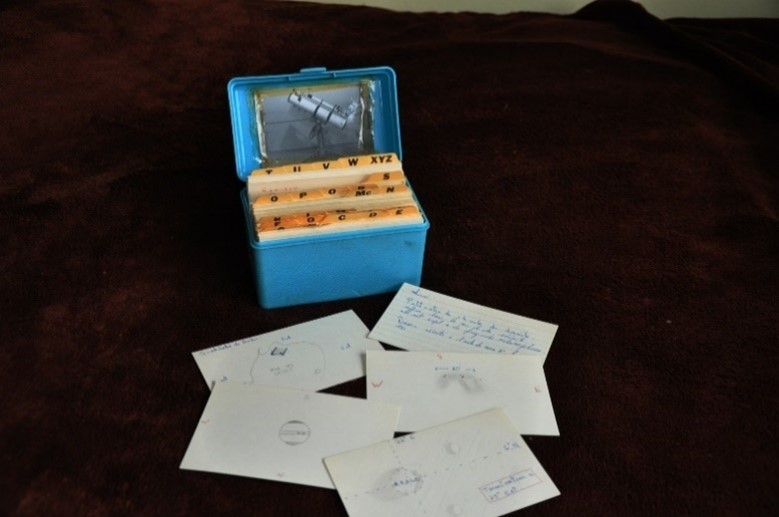
The discipline of note-taking ...
From that moment, I started to write down and draw my observations on small index cards, and on observation reports, which I still have!
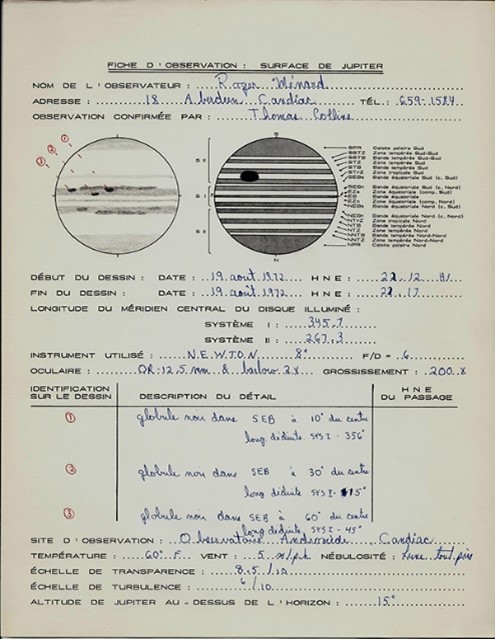
Around 1974, still a student, penniless, I sold all my equipment, found an apartment in Montreal, and stopped practicing astronomy. However, the passion is dormant and never dies.
The Renaissance”:
It was only 36 years later, in January 2010 and at the dawn of the early retirement scheduled for June 2011, that I actively returned to astronomy and joined the ranks of the Club des astronomes amateurs de Laval. How technology has progressed! I find myself confronted with complex choices and, to test the waters, I purchase a Celestron CPC800, a Schmidt-Cassegrain “go-to” on azimuthal mount. But my plan is to graduate to a much bigger telescope as soon as I retire.
A big dream come true:
In June 2011, the time for early retirement came, and at the same time, the time to make my dream come true: to acquire a 14-inch-diameter Celestron telescope with sophisticated electronics.
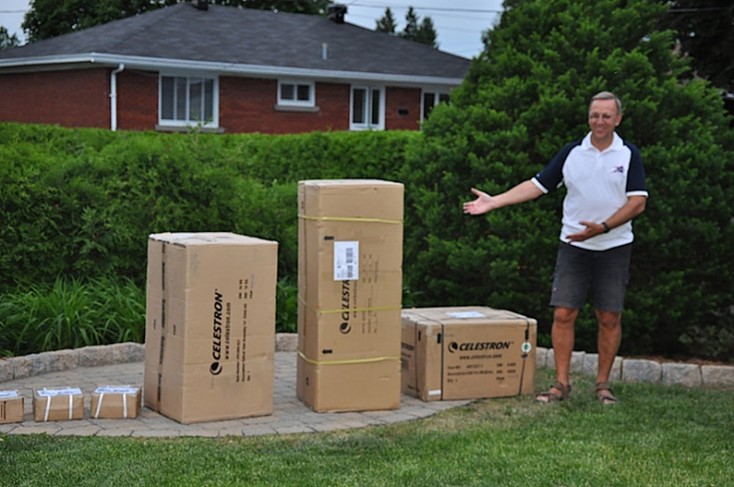
Phew, this is not a toy! But it was definitely a premature Christmas for me …
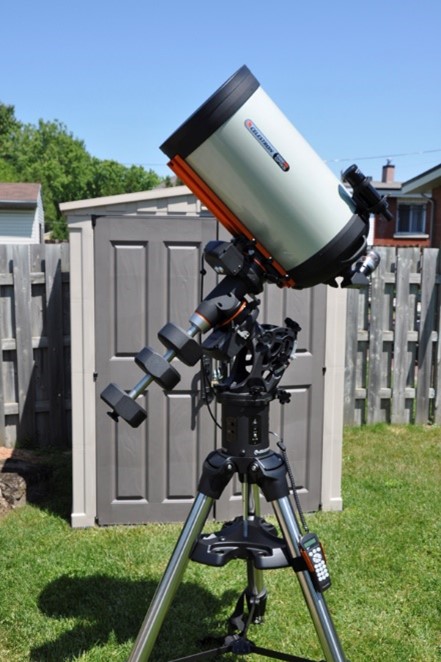
My budget takes a hit when I see that the telescope is only part of the whole arsenal that we “must” get (well OK, there is no real obligation but… ) to accomplish all the tasks you want. To this day, the equipment inventory continues to grow but I tell myself that I have deserved it. I think we call it “self-indulgence”.
A milestone journey:
In December 2011, a trip with my wife brought me to Mendoza, at the foot of the Andes in Argentina and I brought my CPC800 there to see the southern sky
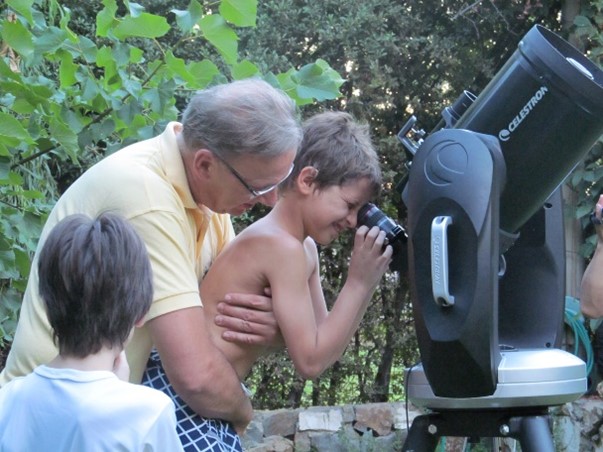
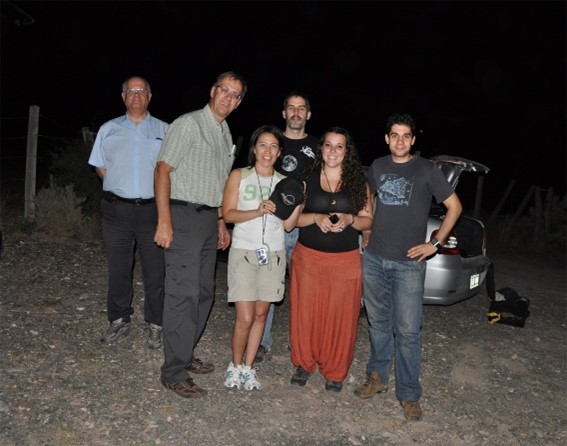
The neighbors of the house we rented were captivated by what we see through the telescope and I ended up leaving it on consignment at the local astronomy club (Grupo de Astrónomos Mendocinos Aficionados) to benefit as many people as possible, because amateur astronomers of this region rarely have an instrument worthy of the name. I could also benefit from it during subsequent visits. I have established a solid friendship with Leo Cavagnaro, the president of this club, and we are fortunate to meet again regularly. A remarkable visit in my journey. I continue to correspond with other members of this club as well.
A dream trip, and long live astrophotography!
Since I have always loved taking pictures, astrophotography was a very natural development for me.
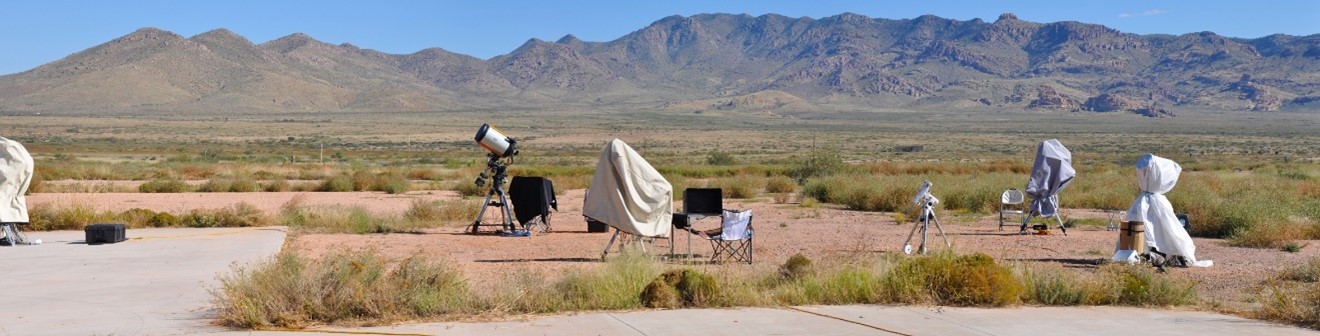
During my trip to New Mexico with 4 other astronomy enthusiasts from October 18 to 26, 2014, I was able to capture photos of ten celestial objects in a completely dark sky. Nirvana! It took a few months to process all this data …
Finally an observatory!
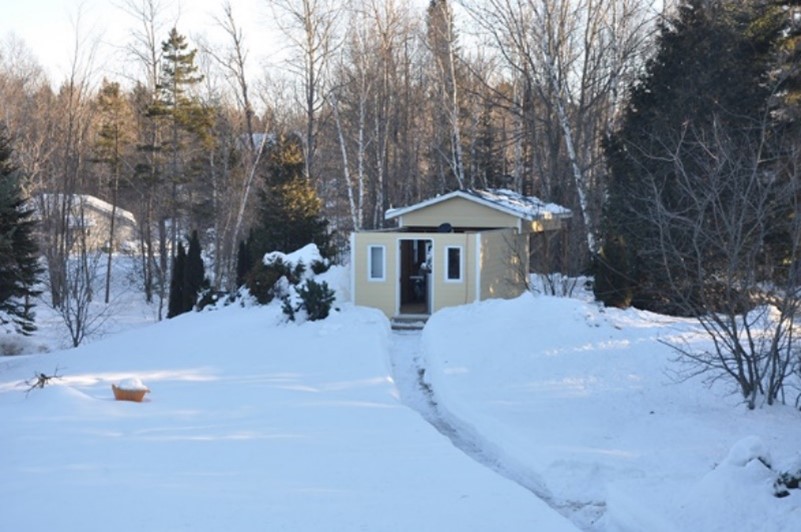
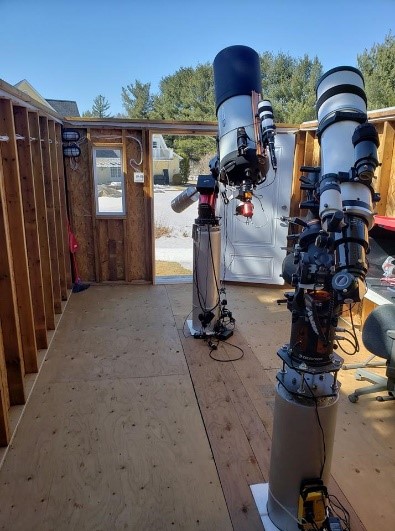
It is becoming increasingly evident that transporting, assembling and disassembling an instrument of this size is no small task. An observatory will represent an important step forward in my quest for comfort and efficiency. So I begin to sketch a plan for a rolling roof observatory housing two pillars for equipment. Start of work in May 2015 and inauguration in November 2016. Thanks to the invaluable help of Diane and Gilles Patenaude, the work is carried out in a very professional manner.
I also got another telescope to put on the second pillar. A SkyWatcher Esprit 120mm. This is very useful for celestial objects that are too large for the narrow field of view of my 14inch telescope.
Since the observatory has been in operation, I have accumulated a large collection of astrophotos which are witnesses to my learning and which I like to rework as I learn new things. This is one of the great joys of this hobby, we never stop learning.
Towards Brighter Skies
Climate change is making it increasingly difficult to pursue our hobby regularly. Clear nights are becoming increasingly rare. Furthermore, the growth of light pollution and urbanization means that the sky is no longer truly dark, unless you move to very remote areas of Quebec.
Technological advancements now allow serious amateur astronomers to operate their equipment remotely, with minimal human intervention, provided there is internet access near the instruments. After evaluating the various options, I decided to move some of my equipment—the smallest and most portable pieces—to a “telescope farm” in central Texas. This place is called Starfront Observatories. It boasts an average of 200 to 220 clear nights per year, and my small telescope has been operational there since March 19, 2026.
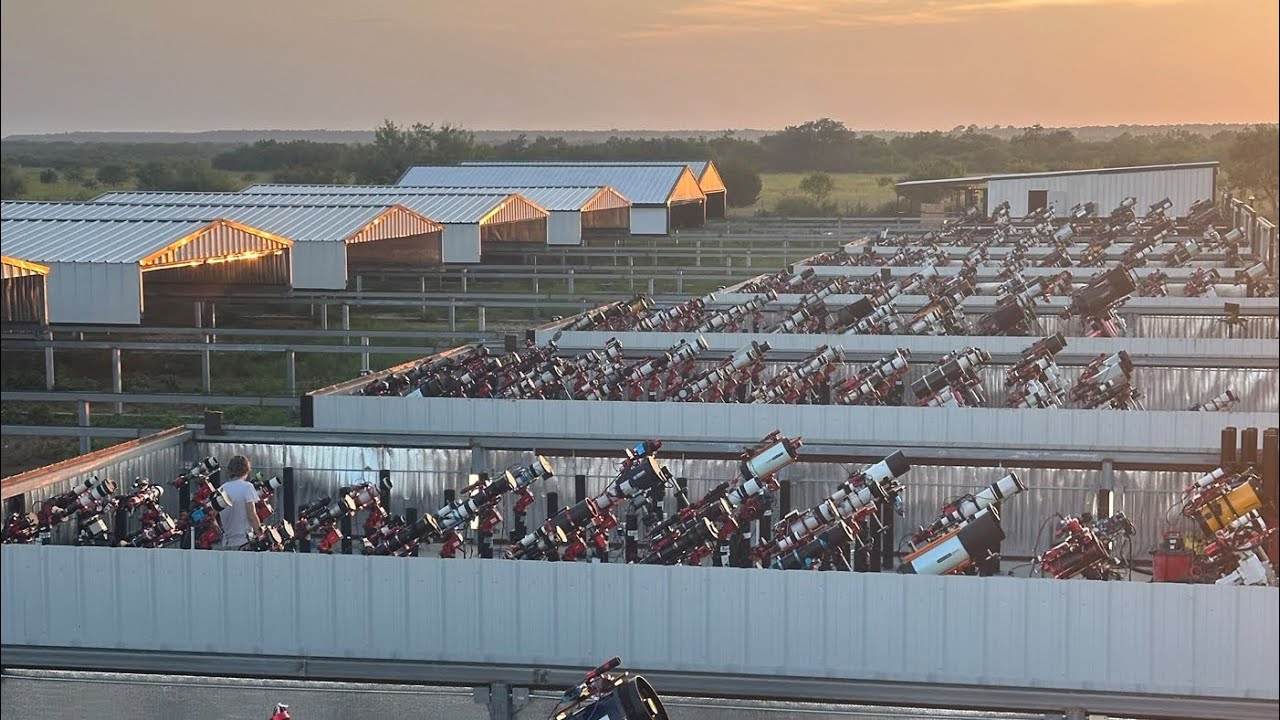
This facility currently houses approximately 800 telescopes of all sizes in 12 hangars with retractable roofs (two more will be operational shortly). You can rent a suitable space for your equipment, ship it to them, and have them install it. Highly qualified staff are on duty 24 hours a day to ensure the safety and smooth operation of this entire array of telescopes.
The roofs are opened shortly after sunset, weather permitting, and closed again shortly before sunrise. A very efficient communication system allows us to see and know everything that is happening there, including the quality of the sky.
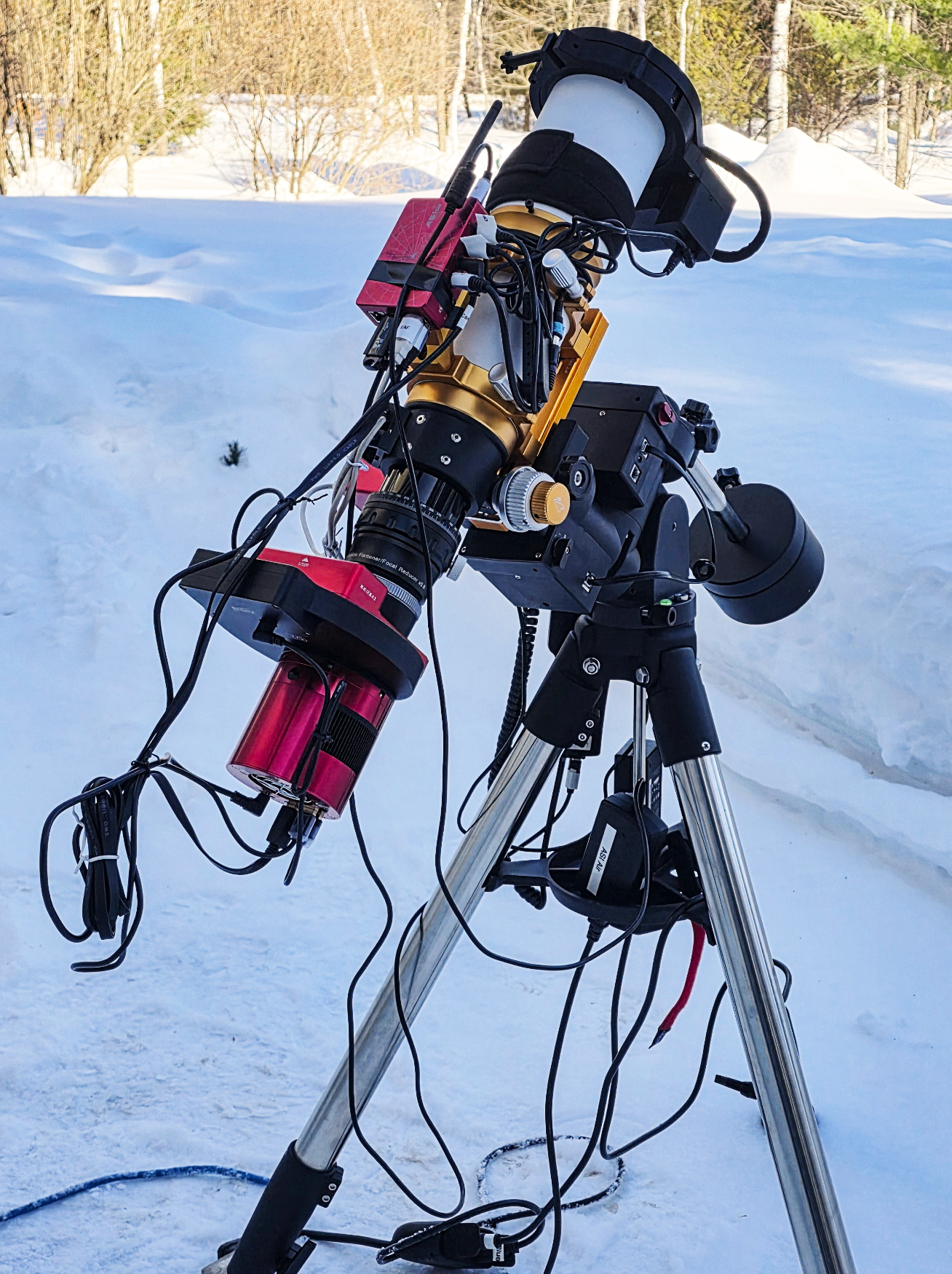
Here is the kit being checked before the big departure. A William Optics GT81 telescope on an iOptron CEM26EC mount, a ZWO ASI 2600MC Pro camera, a motorized filter wheel, a ZWO focuser, a ZWO CAA rotator, and a DeepSky Dad robotic cover, all controlled by a ZWO ASIAir module.
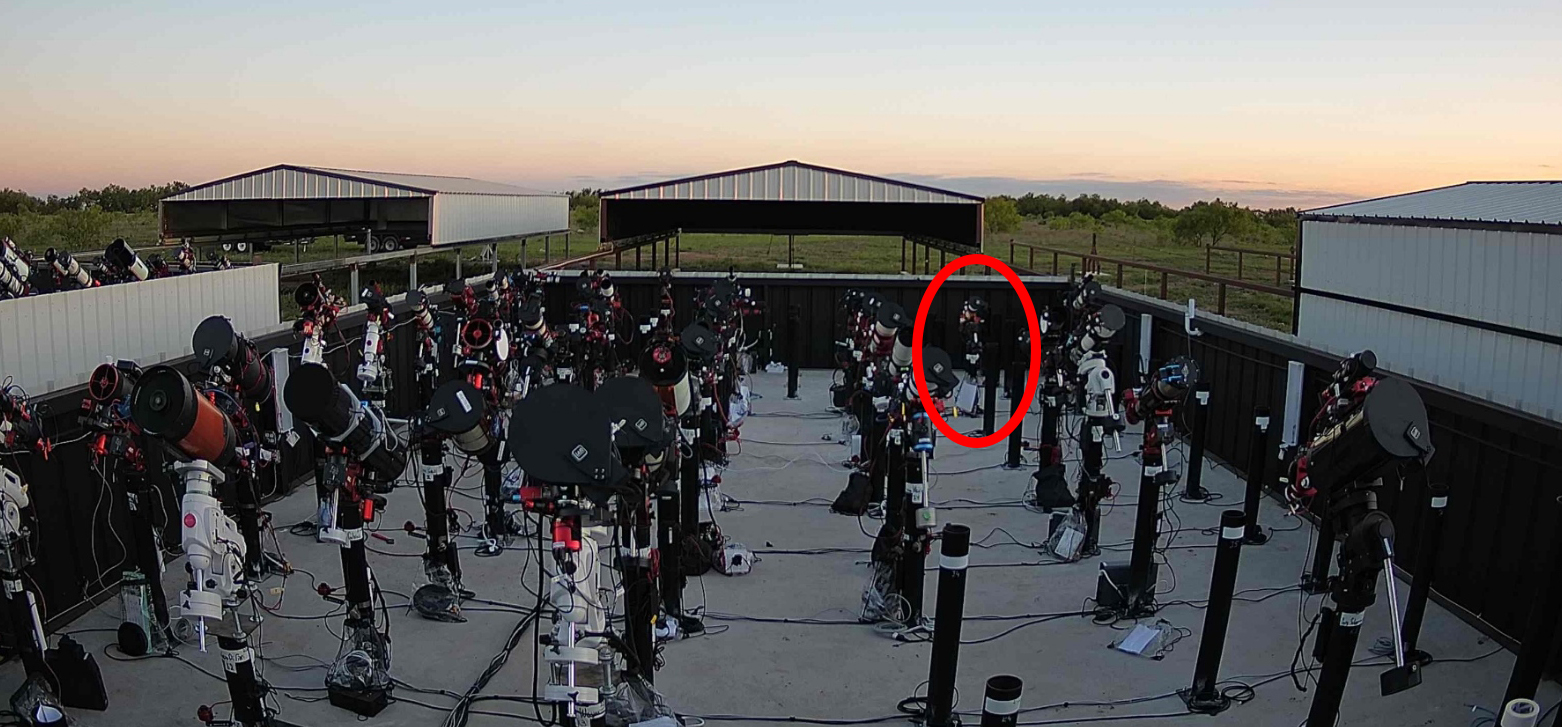
Installed at the back of Building#19, my telescope is in good company. A few days later, all the pillars were already occupied.
Perhaps my large 14-inch telescope will join it in a few years…
So that’s where I am at the moment. Astronomy is a really very large field where there is room to learn, teach, promote, and grow in many ways.
I conclude by thanking my loving wife, Sylvie Schirm, who encourages and supports me in my follies and passions and without whom all this could be very complicated.